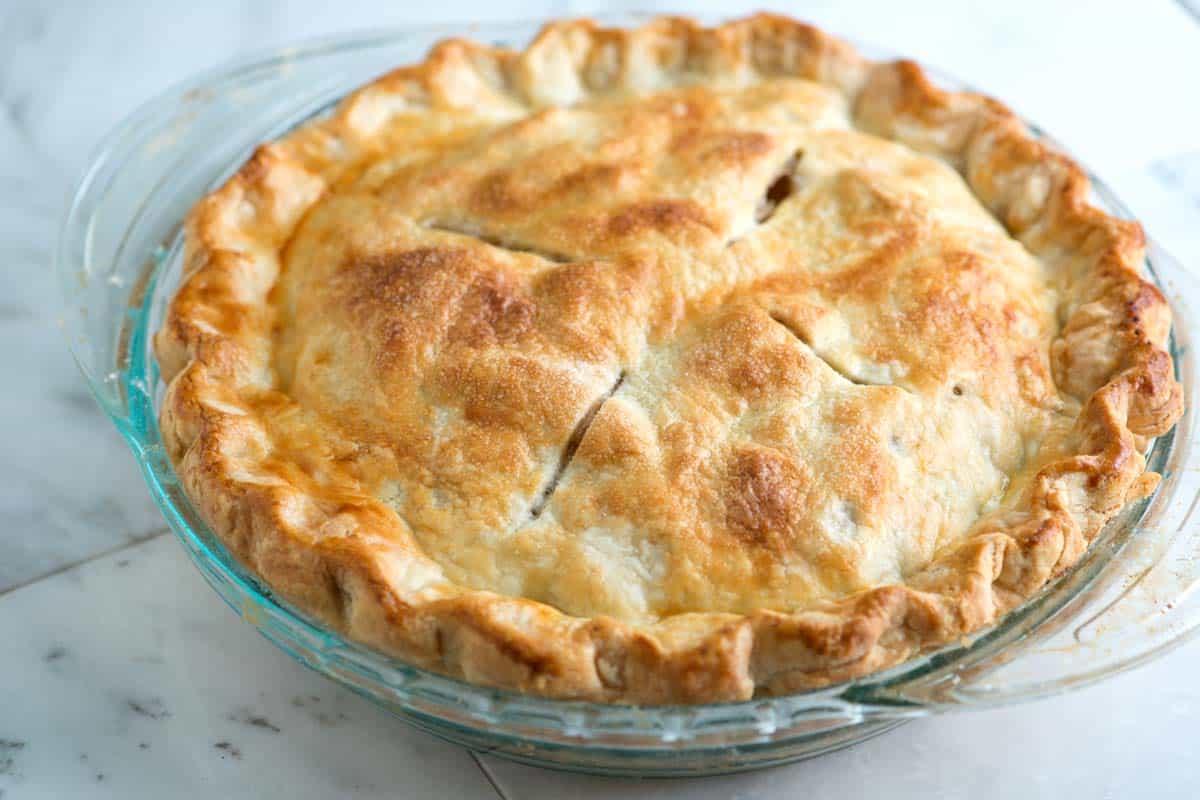
Flaky Pie Crust Secrets: Cold Butter, Chilling, & Easy Steps to Perfection
There's an undeniable magic to a homemade pie. While the filling is often the star, any true connoisseur knows that the foundation – the crust – is what truly elevates a pie from good to unforgettable. Forget those lackluster, store-bought alternatives; crafting your own
Homemade Pie Crust: Flaky, Buttery, & Freezer-Friendly Perfection is not only achievable but deeply rewarding. This comprehensive guide will unlock the essential secrets to a truly flaky, tender, and richly flavored pie crust recipe, focusing on the critical roles of cold butter, proper chilling, and straightforward techniques that will make you feel like a seasoned baker.
The Unbeatable Charm of Homemade Pie Crust
Imagine biting into a slice of warm apple pie, and the crust shatters delicately, revealing layers of buttery goodness that melt in your mouth. That exquisite texture and taste are the hallmarks of a homemade crust, a stark contrast to the often dense, flavorless, or greasy offerings found in frozen pies. Making your own pie dough from scratch is an act of culinary love, transforming simple, natural ingredients – flour, butter, water, and salt – into something truly extraordinary.
Many bakers, myself included, have discovered that an all-butter pie crust delivers an unparalleled depth of flavor. The pure, rich taste of real butter permeates every crumb, creating a profile that shortening alone simply cannot replicate. While some traditionalists swear by an all-shortening crust for its tenderness and ease of handling, the modern consensus often leans towards butter, or a strategic combination, for that iconic "homemade" taste. Whether it’s a classic Apple Pie, a vibrant Cherry Pie, or a savory quiche, a bespoke pie crust recipe makes all the difference, creating a dish that truly sings of homemade goodness.
Unlocking Flakiness: The Cold Butter & Chilling Commandments
The quest for a perfectly flaky pie crust hinges on two crucial elements: keeping your fats *ice cold* and giving your dough ample time to *chill*. These aren't mere suggestions; they are the bedrock principles of successful pie baking.
Why Cold Butter is Non-Negotiable
The secret to those beautiful, airy layers lies in the interaction of cold fat and heat. When you incorporate very cold butter (or a butter-shortening blend) into your flour, it remains in tiny, distinct pieces. As the pie bakes, these cold fat pockets melt, releasing steam. This steam expands, pushing apart the layers of dough, creating countless delicate air pockets. The result? A crust that's incredibly flaky and light, rather than dense and hard.
To ensure your butter stays sufficiently cold, here are some pro tips:
- Cut into Small Pieces: Cube your butter and return it to the fridge or even the freezer for 10-15 minutes before mixing.
- Grate It: For an even distribution and minimal handling, grate frozen butter directly into your flour mixture.
- Work Quickly: Minimize contact with your warm hands, which can melt the butter prematurely.
The Magic of Chilling Dough
Chilling your pie dough is just as vital as cold butter, serving multiple critical functions:
- Firms the Fats: It re-solidifies any fat that might have softened during mixing, ensuring maximum steam production during baking.
- Relaxes Gluten: Mixing dough develops gluten, which can make the crust tough and prone to shrinking. Chilling allows the gluten strands to relax, making the dough much easier to roll out without resistance, and preventing it from shrinking back significantly in the oven.
- Develops Flavor: A short rest allows the flavors to meld and hydrate, leading to a more cohesive and tender dough.
Aim for at least 30 minutes to an hour of chilling, but ideally, 2 hours or more for optimal results. For extra insurance against shrinking, some bakers even chill the rolled-out dough briefly before baking.
The Fat Debate: All-Butter vs. Butter & Shortening
The choice of fat in your pie crust recipe significantly impacts both flavor and texture.
- All-Butter: This is my personal go-to for its rich, unmistakable buttery flavor and crisp, flaky layers. It creates a tender crust that absolutely melts in your mouth. The only slight drawback is that it can be a bit more temperamental to work with, especially for beginners, as it softens faster than shortening.
- Butter and Shortening Combination: Many swear by this "best of both worlds" approach. Butter provides the incredible flavor and flakiness, while shortening contributes tenderness, sturdiness, and makes the dough incredibly easy to roll out – even straight from the fridge! Shortening has a higher melting point, making the dough more forgiving and less prone to becoming tough. For a deeper dive into this culinary debate, check out our guide: All-Butter vs. Butter-Shortening: The Ultimate Pie Crust Guide.
Ultimately, the choice comes down to personal preference and desired outcome. Both methods, when executed with cold ingredients and proper chilling, yield a delicious homemade pie crust.
Your Easy Step-by-Step Guide to the Perfect Pie Crust Recipe
Creating a fabulous pie crust doesn't require a culinary degree. With careful attention to detail and these straightforward steps, you'll master this essential skill. This recipe typically yields two single crusts or one double-crust pie.
Ingredients (for a Double-Crust Pie):
- 2 ½ cups all-purpose flour, chilled
- 1 teaspoon salt
- 1 cup (2 sticks) unsalted butter, very cold and cubed (or ½ cup butter + ½ cup cold shortening)
- ½ cup to ¾ cup ice water
Mixing & Handling:
- Combine Dry Ingredients: In a large bowl, whisk together the chilled flour and salt. Chilling your flour is another subtle trick to maintain a cold environment for the butter.
- Incorporate Fat: Add the cold butter cubes (and shortening, if using) to the flour mixture. Using your fingertips, a pastry blender, or a food processor, cut the butter into the flour until it resembles coarse crumbs with some pea-sized pieces of butter remaining. *The goal is to avoid overworking the butter and flour, which can lead to a tough crust.*
- Add Ice Water: Gradually add the ice water, one tablespoon at a time, mixing gently after each addition. You might not need all of it, or you might need a tiny bit more. The dough should just barely come together when squeezed, without being sticky or crumbly. *The "ice" in ice water is crucial for keeping the dough temperature low.*
- Form Discs: Divide the dough into two equal halves. Gently flatten each half into a disc, wrap tightly in plastic wrap, and refrigerate for at least 30 minutes, or up to 2 days. This chilling period is non-negotiable!
Rolling & Shaping:
- Prepare Your Surface: On a lightly floured surface, unwrap one dough disc. If it's too hard to roll, let it sit at room temperature for 5-10 minutes.
- Roll Evenly: Roll the dough from the center outwards, rotating it frequently and adding a touch more flour if needed, to prevent sticking. Aim for a 12-13 inch circle about 1/8 inch thick for a standard 9-inch pie plate.
- Transfer to Pie Plate: Carefully transfer the rolled dough to your pie plate. Trim the edges, leaving about a ½ inch overhang.
- Create a Fluted Rim: Fold the overhang under itself, creating a thicker edge. Then, use your thumb and forefinger to crimp or flute the edges for a decorative finish.
- Pre-bake (Blind Bake) if Necessary: Some pie recipes, especially those with wet fillings or that aren't baked for very long, call for pre-baking (also known as blind baking) the crust. To do this, line the crust with parchment paper, fill with pie weights or dried beans, and bake at 375°F (190°C) for 15-20 minutes, or until the edges are lightly golden. Remove weights and parchment, then continue baking for another 5-10 minutes if a fully baked crust is desired.
Master Your Pie Crust: Advanced Tips & Troubleshooting
Even with a reliable pie crust recipe, challenges can arise. Here are some extra tips to ensure your success and make you a pie crust master:
- Don't Overwork the Dough: This is the most common mistake. Over-mixing develops gluten, leading to a tough, chewy crust. Mix only until just combined.
- Handle Gently: Treat your dough with care. Excess handling heats the butter and can make the dough sticky or tough.
- Use a Good Rolling Pin: A heavy, comfortable rolling pin makes a difference. Ensure even pressure.
- Troubleshooting Shrinking Crusts: If your crust shrinks during baking, it's usually due to overworked gluten or insufficient chilling. Ensure your dough rests adequately in the fridge, allowing the gluten to relax.
- Making Ahead: Pie dough is wonderfully freezer-friendly!
- Refrigeration: Unbaked pie dough can be stored in a zip-top bag or tightly wrapped in plastic in the refrigerator for up to 2 days.
- Freezing: For longer storage, wrap the dough discs tightly in plastic wrap, then place them in a freezer-safe zip-top bag. It will keep beautifully in the freezer for up to 3 months. This is an excellent way to get a head start on holiday baking for Thanksgiving or Christmas!
- Thawing: To thaw frozen dough, transfer it to the refrigerator for about 4 hours or let it sit at room temperature for about 1 hour before rolling out.
- Versatility: This basic pie crust recipe isn't just for sweet pies. It works perfectly for savory dishes like quiches, pot pies, and even individual hand pies.
Conclusion
The journey to creating a perfect, flaky pie crust recipe is an exciting one, filled with simple techniques that yield impressive results. By understanding the science behind cold butter and the critical role of chilling, you're already well on your way to pie-baking mastery. The satisfaction of pulling a golden, bubbling pie with a tender, buttery crust from your oven is truly unparalleled. So, gather your ingredients, embrace the process, and prepare to delight friends and family with homemade pies that taste as incredible as they look. Happy baking!