All-Butter vs. Butter-Shortening: The Ultimate Pie Crust Guide
The quest for the perfect pie crust is a culinary journey many home bakers embark upon with passion. A truly exceptional pie begins and ends with its crust – a golden, flaky, tender embrace that elevates any filling from good to unforgettable. But what's the secret ingredient for that melt-in-your-mouth perfection? Often, it boils down to the fat you choose: all-butter, or a strategic blend of butter and shortening. Each approach to this foundational homemade pie crust offers distinct advantages, leading to a unique texture and flavor profile. Let's delve into the great pie crust debate and help you discover which pie crust recipe will make your heart sing and your pies legendary.
The All-Butter Pie Crust: A Pure Indulgence
For many, the mere mention of an all-butter pie crust conjures images of rustic, homemade charm and an unparalleled richness. This classic approach champions pure, unadulterated butter as the sole fat, and for good reason. The resulting crust boasts a profound, nutty, and undeniably rich flavor that simply can't be replicated. It's the taste of true craftsmanship, a tender pastry that practically dissolves on the tongue, leaving behind that exquisite buttery aftertaste.
Flavor and Texture Profile:
- Unmistakable Richness: Butter imparts a deep, complex flavor that is both savory and slightly sweet, making it the star of the show.
- Delicate Flakiness: When handled correctly, the steam released from the butter's water content during baking creates beautiful, distinct layers. These flakes are often more irregular and fragile, contributing to a delightful, delicate crunch.
- Crispness: An all-butter crust tends to bake to a crisp, golden brown, offering a satisfying snap with every bite.
Ideal Uses and Considerations:
This type of flaky pie crust is often favored for fruit pies like classic Apple or Cherry, where its robust flavor can stand up to and complement sweet, tangy fillings. It's also fantastic for savory tarts or quiches, adding a gourmet touch. However, working with an all-butter dough can be a bit more challenging. Butter melts at a lower temperature than shortening, meaning the dough can become sticky and difficult to roll out if it gets too warm. It also has a tendency to shrink more in the oven due to the rapid melting of the butter. Success hinges on keeping your butter, water, and even your workspace as cold as possible, and handling the dough minimally to prevent gluten development.
The Butter-Shortening Blend: The Best of Both Worlds
While the all-butter crust is a purist's dream, a growing number of bakers, including seasoned professionals, swear by a combination of butter and shortening. This hybrid approach aims to capture the best attributes of both fats, resulting in a pie crust that is both flavorful and exceptionally forgiving. It's often hailed as the "perfect" pie crust for its balance of taste, texture, and ease of use, making it a fantastic choice for any pie crust recipe.
Flavor and Texture Profile:
- Balanced Flavor: You still get that coveted buttery richness from the butter, but it's often slightly less intense, allowing the filling to shine a bit more.
- Superior Flakiness and Tenderness: Shortening, being 100% fat and having a higher melting point, creates incredibly distinct, sturdy flakes and contributes significantly to tenderness. It helps to "shorten" the gluten strands, preventing toughness and ensuring a melt-in-your-mouth texture that is robust enough to hold up to even the juiciest fillings.
- Ease of Handling: This is where the butter-shortening blend truly shines. Shortening's higher melting point makes the dough much more pliable and easier to roll out, even straight from the fridge. It's less prone to sticking and cracking, making it ideal for beginners or busy holiday bakers.
- Reduced Shrinkage: The stability of shortening helps the crust maintain its shape during baking, reducing the likelihood of frustrating shrinkage.
Ideal Uses and Considerations:
This versatile crust is a workhorse for any pie-baking occasion. It's especially popular for holiday favorites like pumpkin, pecan, and apple pie, providing a reliable, sturdy, and delicious base. Its robust nature makes it perfect for pies that require a sturdy bottom crust, preventing sogginess. The slight reduction in "butteriness" compared to an all-butter crust means it won't overpower delicate fillings, making it incredibly adaptable for both sweet and savory applications.
The Science of Flake: Why Cold Fats are Non-Negotiable
Regardless of whether you choose all-butter or a butter-shortening blend for your pie crust recipe, there's one golden rule that dictates the success of a truly flaky crust: keep your fats cold! This isn't just an old wives' tale; it's fundamental to the science of pie dough.
When butter and/or shortening are kept very cold, they remain in solid, distinct pieces as you incorporate them into the flour. As the pie bakes in a hot oven, these tiny, cold pieces of fat begin to melt. Crucially, the water content within the butter (about 20%) turns into steam. This steam then pushes apart the layers of flour and gluten, creating those characteristic airy pockets and flaky layers we all adore. If your fats are too warm and melt before baking, they absorb into the flour, resulting in a tough, crumbly, or dense crust rather than a flaky one.
Furthermore, chilling the dough after mixing serves another vital purpose: it allows the gluten to relax. Flour contains proteins that, when mixed with water, form gluten. Overworking the dough or not allowing it to rest can lead to a tough, chewy crust. Chilling gives the gluten strands time to relax, making the dough much easier to roll out without resistance, and further contributing to a tender final product. For an in-depth look at mastering this technique, check out our guide on Flaky Pie Crust Secrets: Cold Butter, Chilling, & Easy Steps.
Mastering Your Pie Crust Recipe: Essential Tips for Success
Achieving pie crust perfection is within reach with these practical tips, whether you're crafting an all-butter marvel or a butter-shortening blend:
- Keep Everything Cold: This cannot be stressed enough. Use ice-cold water, chilled butter and shortening (cut into small pieces), and even chill your mixing bowl and flour for 10-15 minutes before starting, especially on warm days.
- Work Quickly and Minimally: The less you handle the dough, the better. Overworking develops gluten, leading to a tough crust. Use your fingertips, a pastry blender, or a food processor with quick pulses to incorporate the fat into the flour until it resembles coarse crumbs with some pea-sized pieces remaining.
- Add Water Gradually: Too much water makes the dough sticky and tough; too little makes it crumbly. Add ice water a tablespoon at a time until the dough just comes together when squeezed. It should be moist but not wet.
- Chill Thoroughly: After mixing, form the dough into a disc(s), wrap tightly in plastic, and refrigerate for at least 30 minutes, or up to 2 days. This chilling period is crucial for relaxing gluten and firming up the fats. For longer storage, refer to our tips in Homemade Pie Crust: Flaky, Buttery, & Freezer-Friendly Perfection.
- Roll Evenly: On a lightly floured surface, roll the dough from the center outwards, rotating it frequently to prevent sticking and ensure an even thickness (about 1/8 inch). Don't stretch the dough, as this can cause shrinkage.
- Fluted Rims and Pre-Baking:
- Fluting: For a beautiful finish, gently crimp the edges of your crust with your fingers or a fork to create a decorative fluted rim.
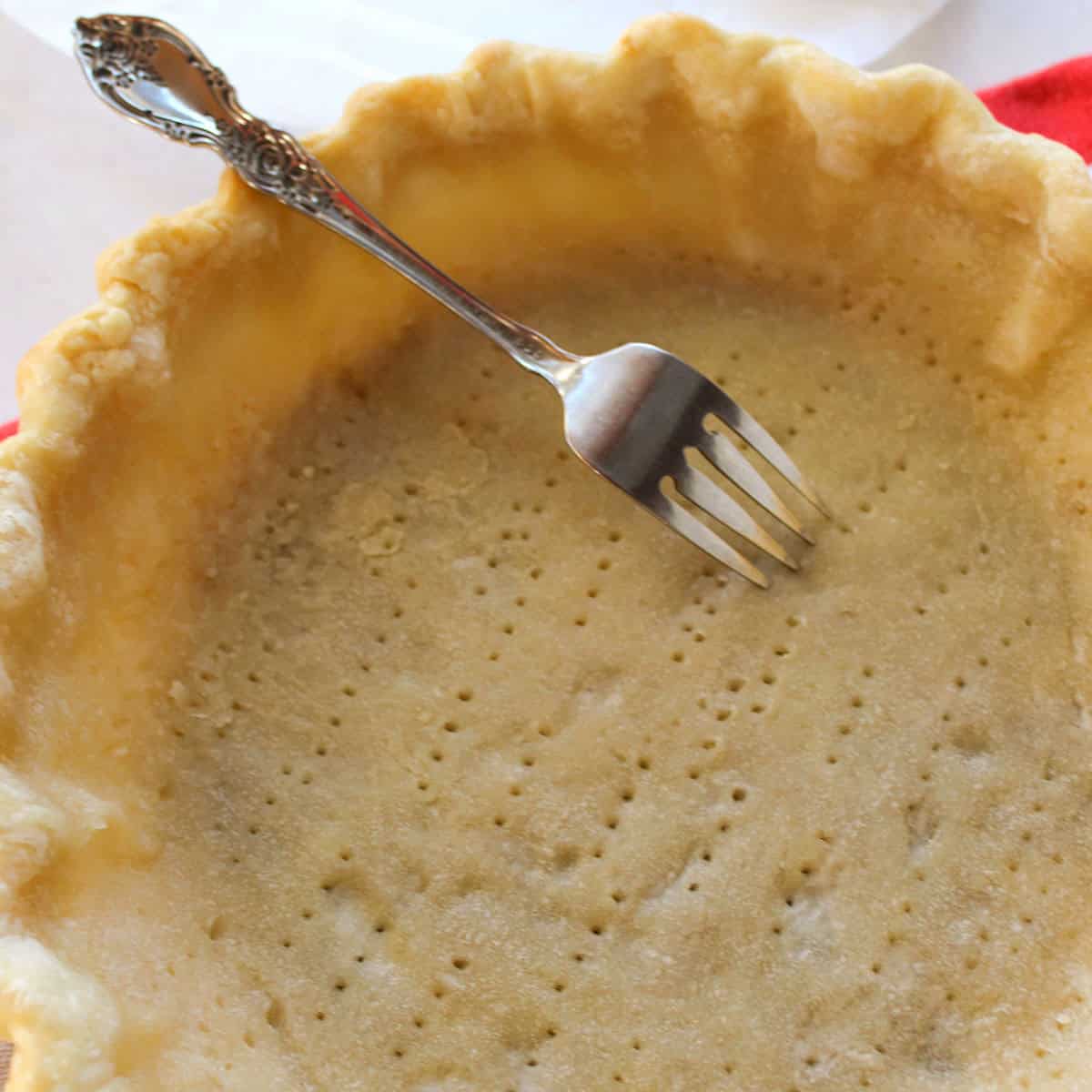
- Pre-baking (Blind Baking): Some recipes call for a pre-baked or "blind baked" crust, especially for custard or fresh fruit pies where the filling isn't baked. Line the unbaked crust with parchment paper, fill with pie weights or dried beans, and bake until the edges are golden. Remove weights and parchment, then bake for a few more minutes until the bottom is lightly golden and set. This prevents a soggy bottom!
- Don't Be Afraid to Experiment: The beauty of a homemade pie crust recipe is the ability to adapt. Try different ratios of butter to shortening, or even different types of butter (high-fat European butter, for instance) to find your personal preference.
Conclusion
Whether you lean towards the pure, indulgent flavor of an all-butter pie crust or the forgiving flakiness of a butter-shortening blend, mastering the art of the homemade pie crust is immensely rewarding. There's a certain magic in presenting a pie with a tender, golden crust you made from scratch, a feeling that no store-bought alternative can replicate. Experiment with both types, pay attention to the fundamental rules of cold ingredients and minimal handling, and you'll soon discover your go-to pie crust recipe. So, roll up your sleeves, embrace the flour, and get ready to create pie perfection that will impress every time!
